When a Chinese company dropped DeepSeek and nuked the stock market
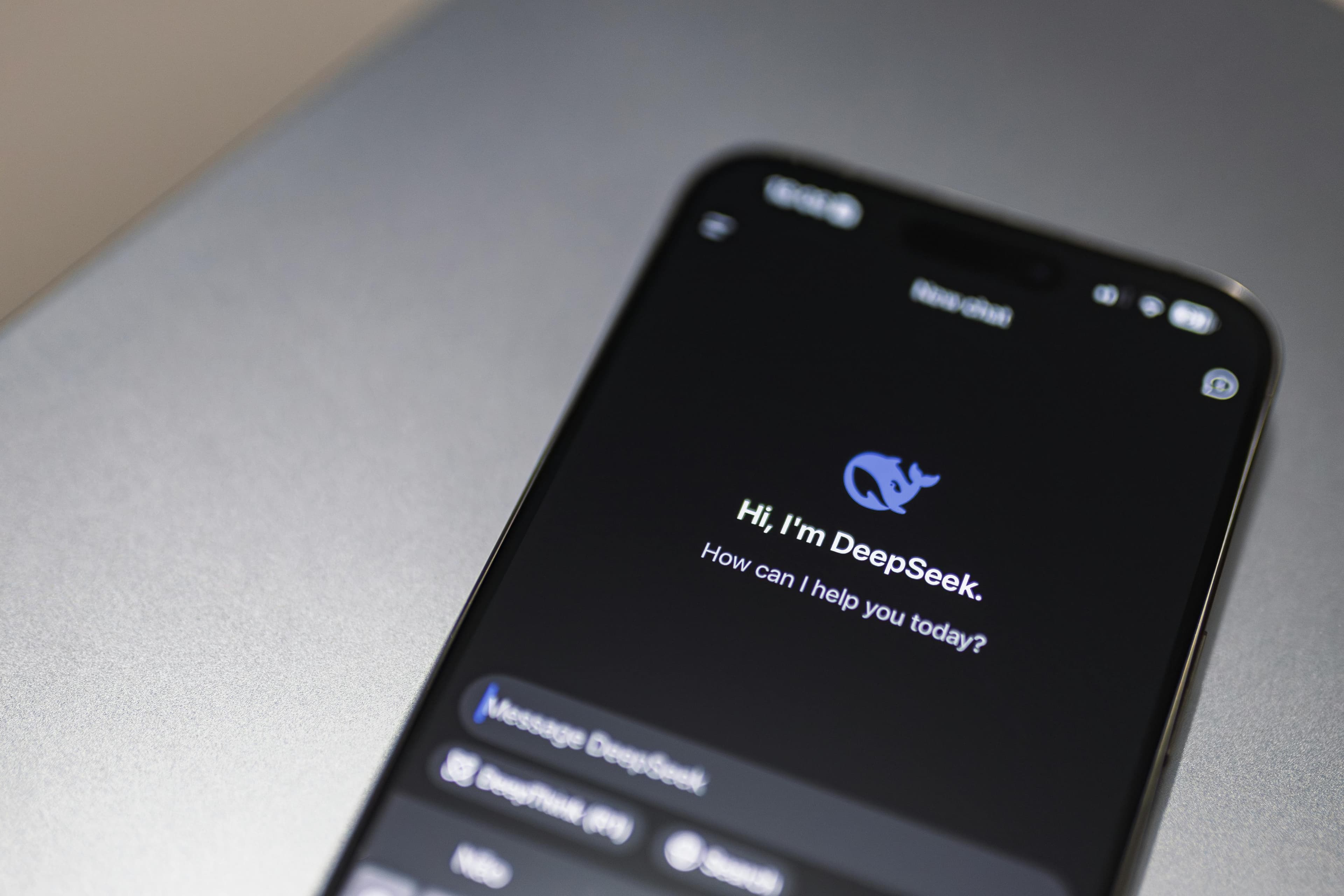
The Story of an AI Model That Shook the West
There was a time when the global AI race felt predictable. The biggest breakthroughs, the most powerful models, the loudest announcements—they were all coming from the same side of the world. Companies in the United States were setting the pace, defining the standards, and quietly assuming they would stay ahead. Then something unexpected started building on the other side. It didn’t arrive with massive hype or global headlines at first. It grew quietly, steadily, almost under the radar. That something was DeepSeek.
At the beginning, few people outside developer circles paid attention. It was just another AI project coming out of China, and the world had seen plenty of those before. But the difference wasn’t in what DeepSeek claimed—it was in how fast it evolved. Each new version felt sharper, more capable, more efficient. Engineers who tried it out of curiosity started noticing something unusual. It wasn’t just keeping up with Western models—it was competing with them. In some areas, it was even pushing ahead.
But behind that progress was a much bigger story, one that had nothing to do with code alone. While the model was improving, the environment around it was becoming more difficult. The United States had already started tightening restrictions on advanced chip exports to China, targeting the very hardware that powers modern AI systems. High-performance GPUs, especially those designed by NVIDIA, became harder to access. These weren’t just components—they were the foundation of AI development. Without them, training powerful models becomes slower, more expensive, and in some cases, nearly impossible.
For many, this looked like a dead end. If you can’t access the best hardware, how do you compete with those who can? But this is where the story takes a turn. Instead of stopping progress, the restrictions forced adaptation. Engineers began optimizing everything—training methods, model efficiency, resource usage. Every limitation became a constraint to work around rather than a barrier to stop at.
At the same time, something interesting happened on the other side. NVIDIA, aware of export regulations, started designing modified versions of its GPUs that technically complied with the restrictions while still being usable for AI workloads. These chips weren’t as powerful as their unrestricted counterparts, but they were enough. Enough to train, enough to experiment, enough to keep moving forward. And sometimes, “enough” is all you need when the people using it know how to push limits.
DeepSeek grew in that environment. Not in ideal conditions, not with unlimited resources, but under pressure. And pressure has a way of shaping things differently. The model wasn’t just built to be powerful—it was built to be efficient. It learned to do more with less, to optimize where others relied on brute force. That difference started to show. Developers began comparing outputs, testing performance, pushing it against well-known Western models. The results sparked conversations. Then debates. Then concern.
For the first time in a while, the balance didn’t feel one-sided anymore. The idea that AI leadership would remain in one region started to crack. DeepSeek wasn’t just another model—it was a signal. A signal that innovation doesn’t stop because of restrictions. If anything, it adapts, evolves, and sometimes becomes even stronger because of them.
What made this moment powerful wasn’t just technology, but what it represented. A shift in how the world viewed competition in AI. It showed that breakthroughs don’t always come from having the most resources, but from how those resources are used. It showed that limitations can drive creativity in ways abundance sometimes cannot.
Today, when people talk about the global AI race, the conversation feels different. There’s more uncertainty, more curiosity, and definitely more respect for what’s being built outside the usual spotlight. DeepSeek didn’t just compete—it forced people to pay attention.
And maybe that’s the real story here. Not just about one model, or one country, or one company, but about how quickly the landscape can change. About how assumptions can be challenged. And about how, sometimes, the most disruptive force isn’t the one making the most noise, but the one quietly getting better every single day.

