A student’s journey of using AI-powered notes to score high in the final exams.
There was a time when programming felt like a foreign language to me. While others in class were writing logic like it was second nature, I was still trying to understand why my code wouldn’t even run. I wasn’t a top student, not even close. Just someone trying to keep up, hoping I wouldn’t fall too far behind. But this semester was different. Programming Fundamentals wasn’t just another subject anymore, it felt like a wall I couldn’t climb.
My notes were messy, half-written, and honestly confusing even to me. Every time I opened my notebook, I felt lost. Concepts like loops, functions, and arrays just didn’t stick. Exams were getting closer, and the pressure kept building. I remember sitting alone one night, staring at my notes, thinking, “Even if I study all this, what if none of it comes in the exam?” That fear hit harder than the subject itself.
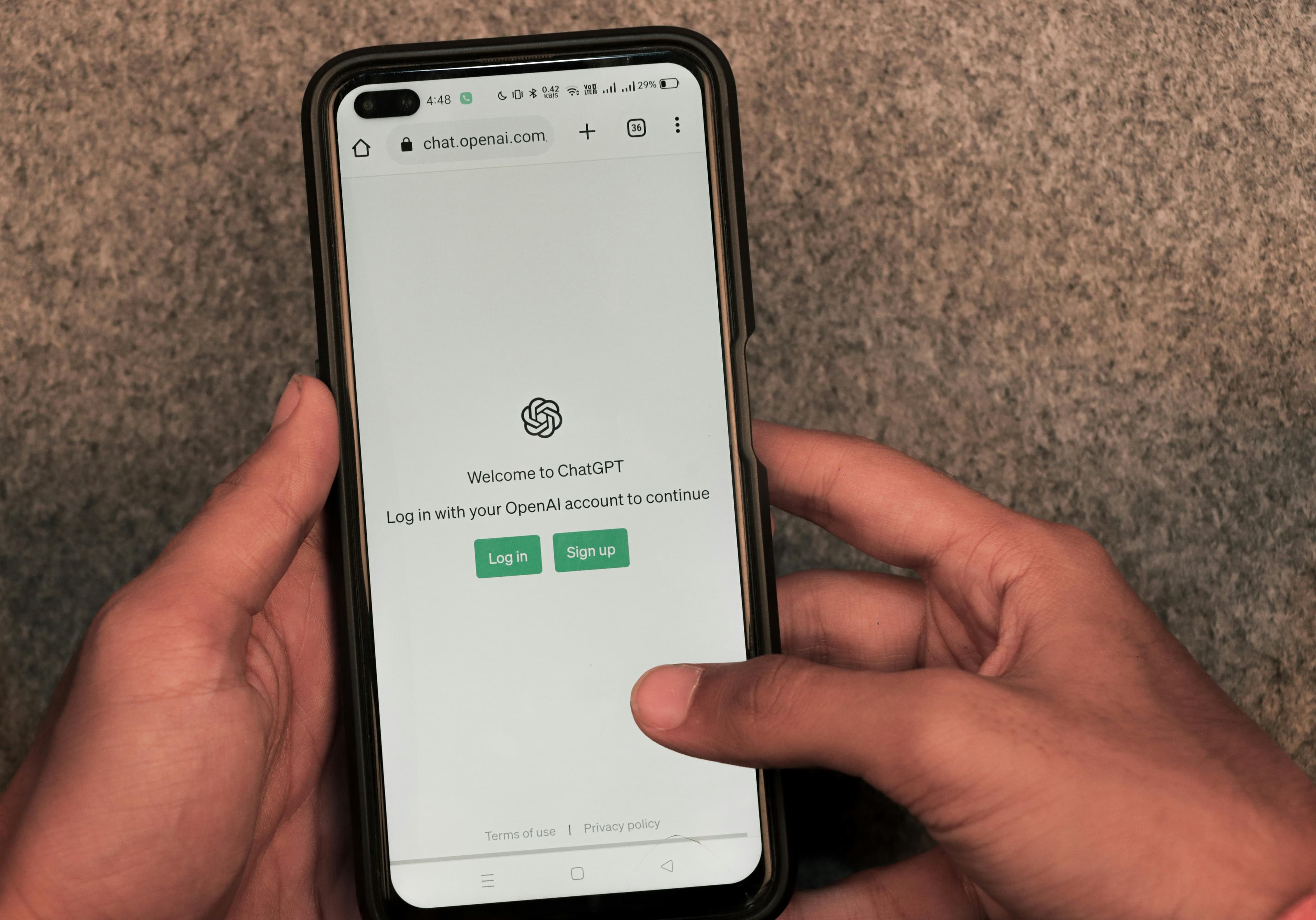
That’s when I decided to try something different. I opened ChatGPT and did something simple. I took pictures of my notes and started sending them one by one. Then I wrote, “Analyze these and create a guess paper for my exam. Focus on what’s important.” I didn’t expect much, just hoped it would at least point me in a direction.
What I got back surprised me. It didn’t just summarize my notes, it understood them. It picked out patterns, highlighted repeated concepts, and created questions that actually made sense. Not random questions, but the kind teachers usually ask to test understanding. It even simplified the explanations in a way that finally clicked in my head. For the first time, I wasn’t memorizing blindly, I was actually understanding what I was studying.
For the next few days, that became my routine. I kept feeding it my notes, asking it to refine the guess paper, to explain answers, to make things simpler. Slowly, things started changing. The confusion I had before began to clear up. I could look at a question and know how to approach it. It wasn’t magic, I still had to study, but now I knew what to focus on. That made all the difference.
The night before the exam, I went through the guess paper one last time. Something felt different. Instead of panic, there was a bit of confidence. Not full confidence, but enough to believe I might actually pass this subject. And honestly, that was my goal at the time just to pass.
Exam day came. I sat down, paper in front of me, heart racing like always. Then I read the first question. It looked familiar. Then the second one… familiar again. As I kept going, I realized something I didn’t expect. Most of the paper was based on the same concepts, the same patterns I had practiced. Not exactly the same, but close enough that I knew how to answer them.
I didn’t rush. I didn’t panic. I just wrote. Step by step, logic by logic, question by question. For the first time in a programming exam, I felt in control.
When the results came out, I checked mine almost nervously, expecting something average like always. But when I saw the number, I froze for a second. 82 marks in Programming Fundamentals. I read it again just to be sure. It didn’t feel real. From struggling to even understand the subject to scoring 82 it was something I hadn’t imagined for myself.
Later, when I thought about it, one thing stood out the most. The guess paper I studied from was almost 90% accurate in terms of concepts and question patterns. But more importantly, it had trained me to think the right way. It wasn’t about luck, it was about finally studying smart instead of just studying hard.
That experience changed how I see learning. I realized that being “weak” in a subject doesn’t mean you can’t improve. Sometimes, you just need the right approach, the right clarity, and the right support. For me, that support came from an unexpected place.
Now whenever I feel stuck, I don’t panic the way I used to. I know there’s always a way to break things down, to understand better, to prepare smarter. And sometimes, all it takes is asking the right question.

