

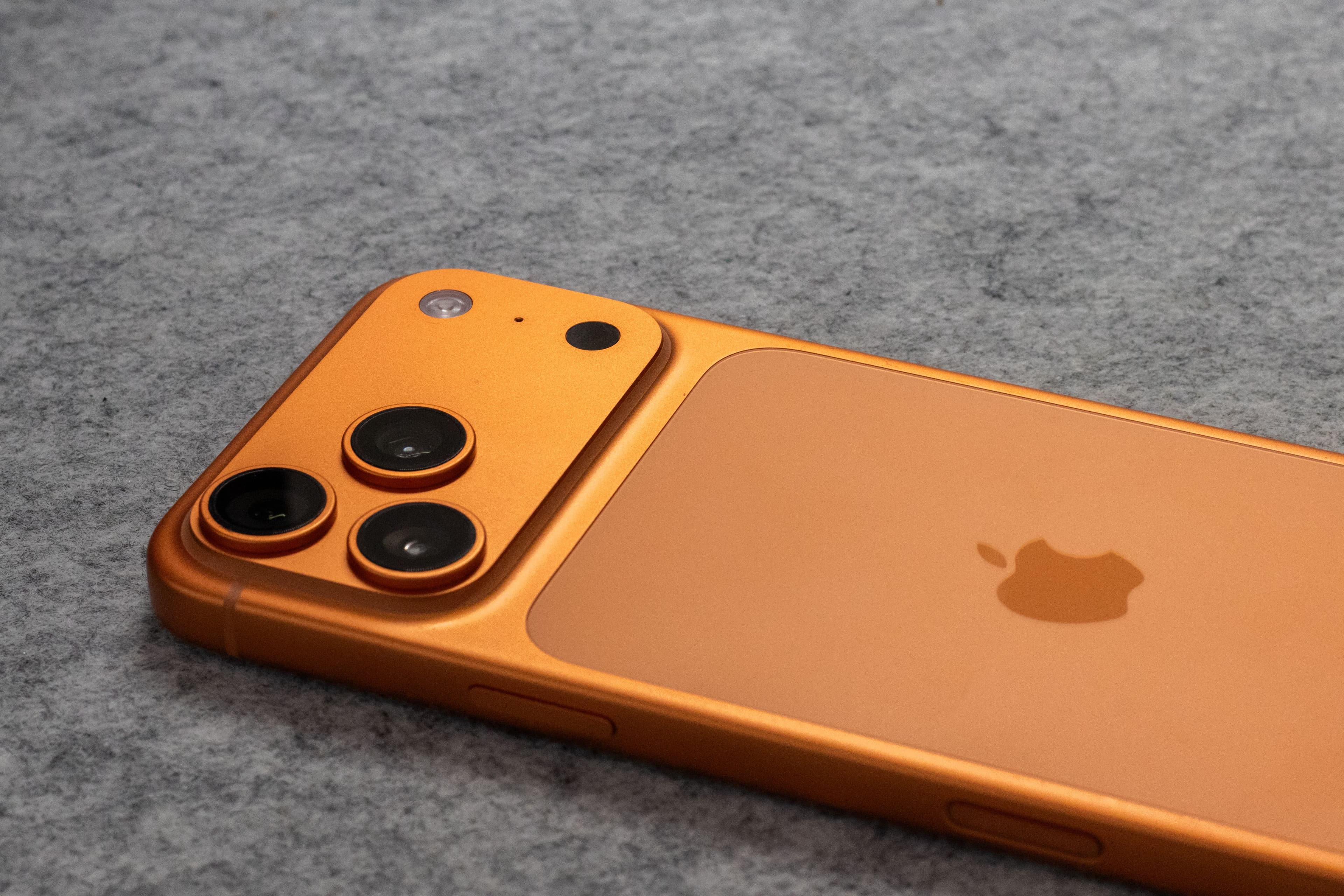
The New Era of iPhone Intelligence
The iPhone has always been more than a phone, but in 2026 it is becoming something even more interesting. Apple is pushing the device into a new phase where artificial intelligence is not just an extra feature sitting in the background. It is becoming part of the way the iPhone communicates, understands, searches, creates, and helps. This shift matters because Apple is not trying to make AI feel loud or complicated. It is trying to make it feel natural, private, and woven into everyday use.
That is what makes iPhone artificial intelligence such an important topic right now. People are not only curious about new features. They want to know how AI will change the way they use their phones every day. They want to know whether Siri will finally become more useful, whether the iPhone will get smarter on its own, and whether upcoming models like the iPhone 17 Pro will be designed to handle more powerful AI experiences. In a world where users expect faster answers and more helpful tools, Apple is positioning the iPhone as a personal intelligence device rather than just a smart one.
What Apple Intelligence Means
Apple Intelligence is Apple’s name for the AI system built into its devices, and on the iPhone it is designed to feel practical rather than flashy. According to Apple, it is integrated across apps and experiences to help people communicate, express themselves, and get things done more easily, while keeping privacy at the center of the experience. That is a major part of Apple’s strategy. Instead of asking users to interact with AI in a separate app, Apple is bringing intelligence directly into the tools people already use every day.
This means the iPhone can now do more than simply display content. It can help rewrite text, summarize information, create images, translate messages, and understand what is happening on the screen. Features like visual intelligence, live translation, Image Playground, Genmoji, and access to ChatGPT inside Apple Intelligence experiences show how Apple is trying to make AI helpful in a quiet, useful way rather than a disruptive one. The result is a device that feels less like a machine you command and more like a device that understands context better than before.
Why iPhone AI Matters
The reason iPhone artificial intelligence is attracting so much attention is simple: the iPhone is one of the most personal devices people own. It is in their hands all day, it knows their routines, and it is used for communication, work, entertainment, navigation, and memory keeping. When AI becomes part of that experience, it has the potential to save time in small but meaningful ways throughout the day. That is why this topic is so powerful from both a user experience and SEO perspective.
There is also a bigger reason people care. For years, the smartphone industry has been looking for the next major upgrade story. Better cameras, better screens, and faster processors are important, but they do not always feel transformative anymore. AI gives Apple a new way to explain why the iPhone still matters. It turns the phone into something more responsive and more aware of the user’s needs. That is a compelling message for readers, buyers, and search traffic alike.
Siri Is Changing
One of the biggest questions people have is whether Siri will finally become the assistant users always hoped it would be. The latest discussions around Apple’s AI strategy suggest that Siri is being reshaped, and that Apple is actively working on new versions of the assistant. Bloomberg reported that Apple has been reorganizing its AI efforts and preparing two new versions of Siri, which is a strong signal that the company sees voice and assistant technology as a major part of its future.
This matters because Siri has always been one of the most recognizable parts of the iPhone, but also one of the most criticized. Users have long wanted an assistant that can understand more complex requests, hold context better, and do more than simple commands. If Apple succeeds, Siri could become one of the most important parts of the iPhone AI story. Instead of feeling like a voice shortcut, it could become a real intelligence layer across the device, helping people search, organize, plan, and act with less effort. That would be a major shift in how iPhone users experience AI.
The iPhone 17 Pro Angle
The latest iPhone rumors are making this conversation even more interesting, especially around the iPhone 17 Pro. Reports and commentary around the Pro lineup suggest that Apple is preparing the device to better handle future AI workloads, with attention on thermal performance, battery life, and efficiency. TechRadar noted that the iPhone 17 Pro is being discussed as a device built to stay future-ready for AI and Apple Intelligence features, especially as smarter Siri capabilities and AI search become more central.
That kind of rumor makes sense because AI features need more than software alone. They also need hardware that can handle heavier processing without overheating or draining the battery too quickly. If the iPhone 17 Pro is indeed focused on better thermal design and performance, it would fit neatly into Apple’s broader AI direction. For users, that could mean smoother on-device intelligence, faster responses, and a more reliable experience when using AI tools throughout the day. In other words, the hardware story and the AI story are now deeply connected.
On Device AI Feels Different
One of the most important shifts in Apple’s AI approach is the focus on on-device intelligence. A recent report said Apple is going all in on on-device artificial intelligence as it expands features that run directly on iPhones, iPads, and Macs. That approach matters because it gives Apple a way to improve speed, privacy, and reliability at the same time. Instead of sending everything off to the cloud, more tasks can happen right on the phone itself.
For users, that creates a smoother and more private experience. It also makes the iPhone feel more capable in places where internet speed or connectivity might be inconsistent. On-device AI can help a phone respond faster and keep more data under the user’s control. That is a big reason Apple’s strategy feels different from many other AI efforts. It is not just about adding intelligence. It is about adding intelligence in a way that feels built into the device itself. That distinction could become one of the strongest selling points of the iPhone in the AI era.
How It Changes Daily Use
The real value of iPhone artificial intelligence is not in the technical buzzwords. It is in the daily moments where the phone becomes more helpful without demanding extra effort. A user might receive a clearer summary of a long message thread, find a smarter way to search for something on screen, create a custom image from a short prompt, or translate a conversation more naturally. These are not dramatic science fiction moments. They are practical improvements that quietly make the iPhone easier to use.
That is what makes Apple’s approach appealing to a broad audience. Most people do not want to think about AI all day. They just want their phone to be faster, smarter, and less frustrating. Apple seems to understand that. By placing AI inside familiar parts of the experience, the company is trying to reduce friction instead of adding another layer of complexity. For users, that can feel surprisingly powerful because the best technology often disappears into the background while still making life easier.
Why This Topic Will Keep Growing
Search interest around iPhone AI is likely to stay strong because it combines several high-interest topics at once. People care about Apple, they care about AI, and they care about the next iPhone release cycle. Add in rumors about the iPhone 17 Pro and future Siri improvements, and you get a subject that has both current relevance and long-term search potential. That is exactly the kind of topic that can bring steady visitors to a tech site like aistackflowhub.
It also helps that the topic appeals to different types of readers. Some are Apple fans who want the latest updates. Some are curious about artificial intelligence and how it reaches consumer devices. Others are simply trying to understand what the future of smartphones will look like. A strong blog on this subject can serve all of them if it explains the ideas clearly, naturally, and with enough depth to feel valuable. That makes iPhone artificial intelligence not just a trend, but a strong pillar topic for content strategy.
The Bigger Picture
The bigger story here is that the iPhone is evolving from a connected device into an intelligent companion. That does not mean it replaces human decision making or suddenly becomes a fully autonomous system. It means the iPhone is learning to understand more, help more, and respond in a way that feels more personal. Apple’s focus on privacy, on-device processing, and integrated AI gives this shift its own identity in the market.
For readers, that is what makes the topic exciting. It is not just about what the next iPhone can do. It is about how the relationship between people and their phones is changing. As Apple keeps building intelligence into the iPhone, the device is becoming less of a tool you operate and more of a system that assists you throughout the day. That is a major step forward, and it explains why iPhone artificial intelligence is one of the most important technology topics right now.